NC车床零件
The application of shot blasting machines in the shipbuilding industry has evolved from traditional surface cleaning into a critical, comprehensive process encompassing manufacturing pretreatment, maintenance and repair, specialized surface strengthening, and intelligent operations. The current state of their application can be summarized as follows:
**I. Primary Application Scenarios**
**Pretreatment of Steel Plates and Profiles**
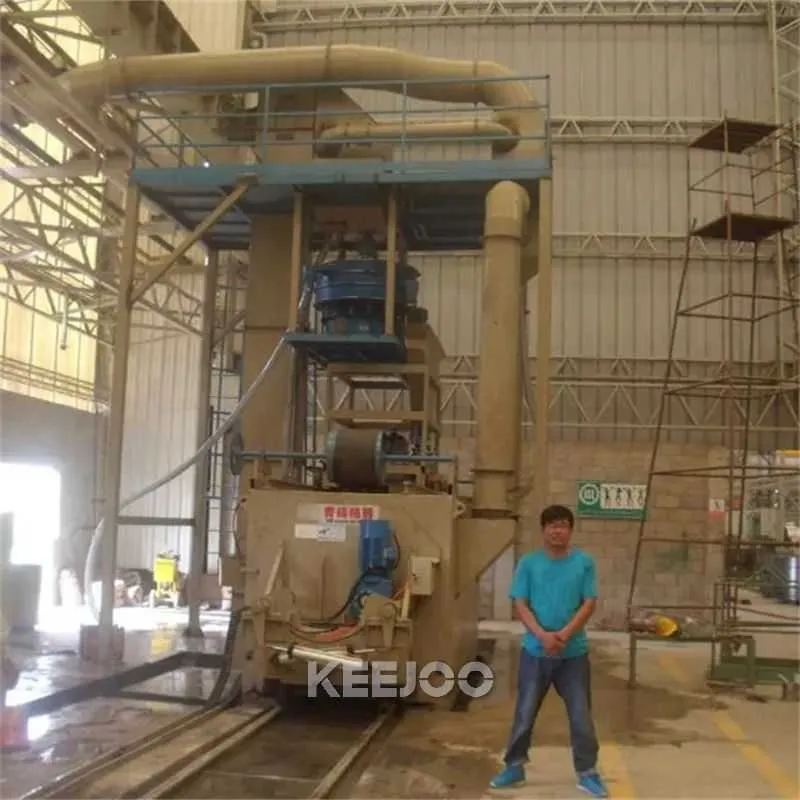
During the initial stages of shipbuilding, marine-grade steel plates, bulb flats, and angle bars undergo shot blasting to remove mill scale, rust layers, and welding residues. This process achieves a cleanliness grade of Sa2.5 or Sa3, laying a solid foundation for the subsequent application of anti-corrosive primers. The equipment primarily consists of *pass-through shot blasting machines* or *roller conveyor shot blasting lines*, designed to accommodate large, wide steel plates (exceeding 4.5 meters in width).
**Cleaning of Welds and Structural Components**
This involves removing welding slag, relieving welding-induced stresses, mitigating the risk of subsequent cracking, and enhancing overall structural safety.
**Hull Derusting and Coating Removal**
During routine maintenance, shot blasting is employed to remove marine fouling (such as barnacles), rust, and aged coatings from areas below the waterline. *Mobile shot blasting machines* and *vacuum shot blasting machines*—equipped with integrated abrasive recovery systems—are particularly well-suited for environments with stringent environmental regulations, such as dry docks.
**Treatment of Ballast Tanks and Cargo Holds**
In accordance with the International Maritime Organization (IMO) *PSPC (Performance Standard for Protective Coatings)* regulations, internal tank surfaces must meet rigorous cleaning standards; shot blasting remains the predominant process for achieving this objective.
**Strengthening of Specialized Components**
Examples include the shot peening of propellers (made of copper alloys or stainless steel) to enhance their fatigue resistance and cavitation erosion resistance. Additionally, shot blasting is applied to deck surfaces to create a uniform roughness profile, thereby improving anti-slip properties and ensuring compliance with IMO safety standards.
**II. Technological Development Trends**
**Automation and Intelligent Systems**
The *Deck Shot Blasting Robot* developed by the No. 716 Research Institute of the China State Shipbuilding Corporation (CSSC) has successfully passed real-ship trials. Featuring a *wireless remote control + autonomous navigation* system, the robot is capable of automatic obstacle avoidance, dust-abrasive separation, and abrasive recycling. These capabilities have resulted in a twofold increase in cleaning efficiency and a 30% reduction in dust emissions.
Furthermore, automated loading and unloading systems have been developed to effectively address the logistical challenges associated with processing ultra-large structural components. **Environmental Protection and Energy Efficiency**
A highly efficient dust removal system (filtration efficiency ≥ 99.9%) is included as a standard feature, ensuring compliance with environmental standards such as GB16297.
The steel shot is fully recyclable; compared to traditional sandblasting, this process significantly reduces waste generation and VOC emissions.
**Customization and High Adaptability**
Marine workpieces are characterized by complex geometries and significant variations in size; consequently, approximately 40% of projects require custom, non-standard designs. The equipment must be capable of adapting to and treating specialized areas, such as curved surfaces and edges.
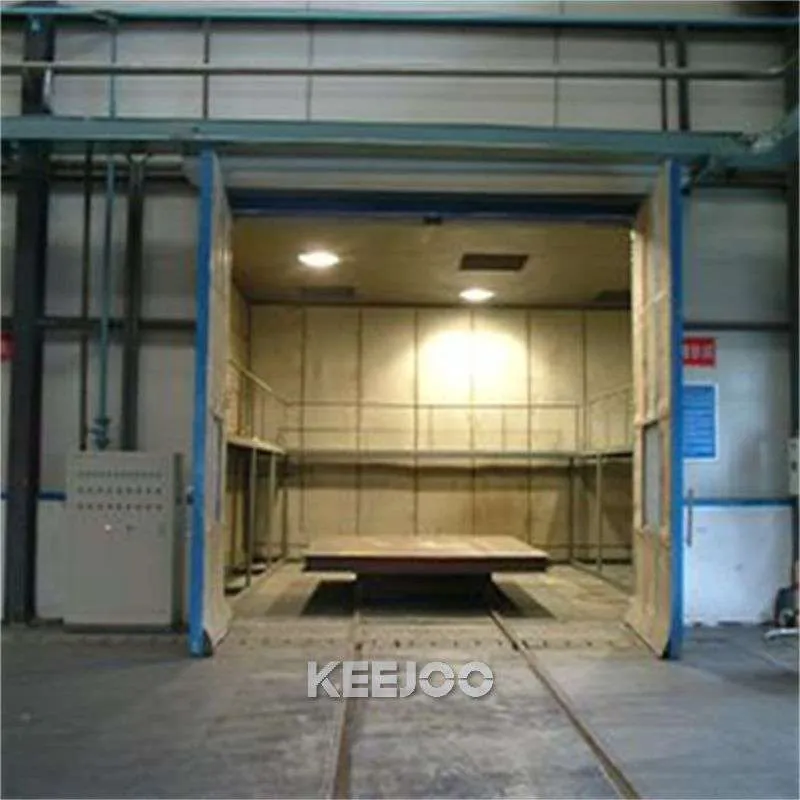
Large-scale shipyards typically utilize heavy-duty pass-through shot blasting lines or dedicated shot blasting rooms, capable of accommodating loads weighing up to several hundred tons.