NC车床零件
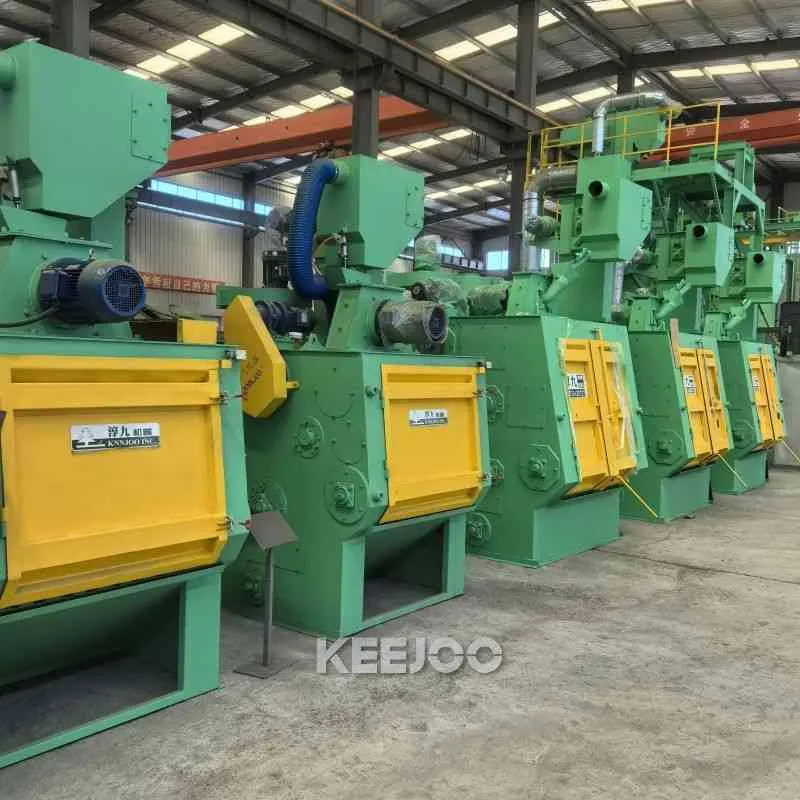
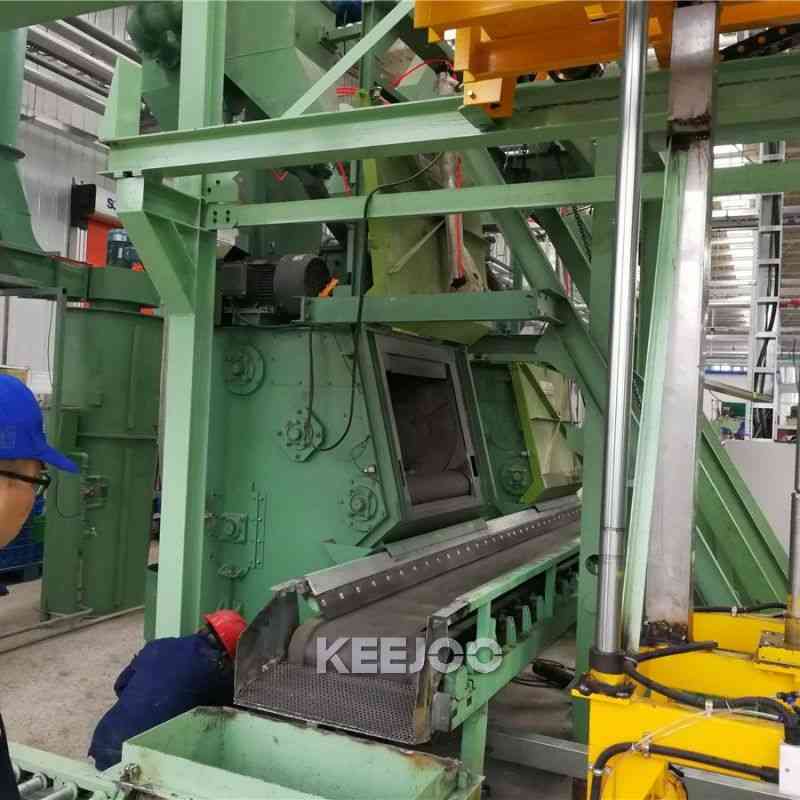
Determining whether shot is suitable for a shot blasting machine requires comprehensive consideration of workpiece characteristics, equipment parameters, shot physical properties, and application effects.
I. Shot Material and Shape Compatibility
Round shot (e.g., cast steel shot, cut wire shot): Suitable for most cleaning, rust removal, and surface strengthening applications. It has good rebound properties and uniform projection, making it suitable for continuous shot blasting machines.
Angular shot (e.g., cast steel grit): Suitable for rust removal or roughening processes requiring high impact, but causes greater wear on the equipment.
Material Matching: Steel shot is commonly used for steel, castings, and weldments. For non-ferrous metals (e.g., aluminum, copper), stainless steel shot or aluminum shot is recommended to avoid contamination.
II. Shot Hardness Requirements
Optimal Hardness Range:
Cleansing/Rust Removal: HRC 40–50 (e.g., cast steel shot);
Strengthening Treatment: HRC 45–55;
Soft Workpieces (e.g., aluminum alloys): HRC 25–40, to prevent surface indentation.
Excessive Hardness: Shot becomes brittle, accelerating wear on shot blasting blades and guard plates;
Insufficient Hardness: Large deformation, poor rebound, low cleaning efficiency.
III. Particle Size (Diameter) Matching Equipment Power
Small Power Shot Blasting Machine (≤5.5kW): Suitable for φ0.2–1.0mm steel shot;
High Power Shot Blasting Machine (≥11kW): Suitable for φ1.2–3.0mm steel shot, but a hardness of ≤HRC 55 is recommended.
**Excessive Particle Size:** May cause motor overload and bearing temperature rise (>80℃);
**Insufficient Particle Size:** Low cleaning efficiency, easily drawn away by the dust removal system.
IV. Shot Condition and Circulation System Compatibility
**Roundness Requirements:** High roundness (≥95%) reduces scratches and improves coverage, especially for precision parts.
**Magnetic Conductivity:** If the equipment is equipped with a magnetic separator, cast steel shot or cut steel wire shot (strong magnetic conductivity) should be used; stainless steel shot is not suitable.
**Shot Breakage Rate:** Use a sieve for detection. If the proportion of broken shot or dust is >10%, it needs to be replenished or replaced.
V. Verification of Actual Usage Effect
**Workpiece Surface Cleanliness:** Should reach Sa2.5 or Sa3 level (no visible oil stains or rust, only slight discoloration). Shot blasting machine load current: Normal operating current is 20–25A (refer to equipment manual). A lower current indicates insufficient shot.
Consumption monitoring: Normal consumption is approximately 500kg/40 hours (adjust according to equipment). An abnormally high consumption indicates excessive shot breakage.
VI. Common Misconceptions
“Higher hardness is better” → Increased brittleness, accelerated equipment wear;
Mixing shot of different materials (e.g., cast steel shot + stainless steel shot) → Decreased separation efficiency;
Ignoring roundness → Surface scratches, increased subsequent grinding costs.