NC车床零件
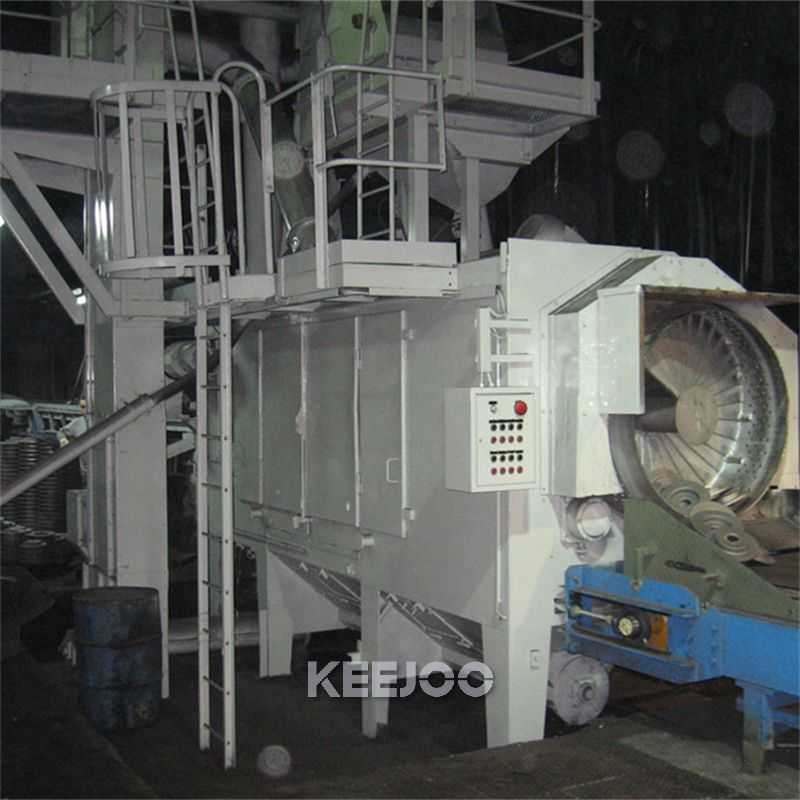
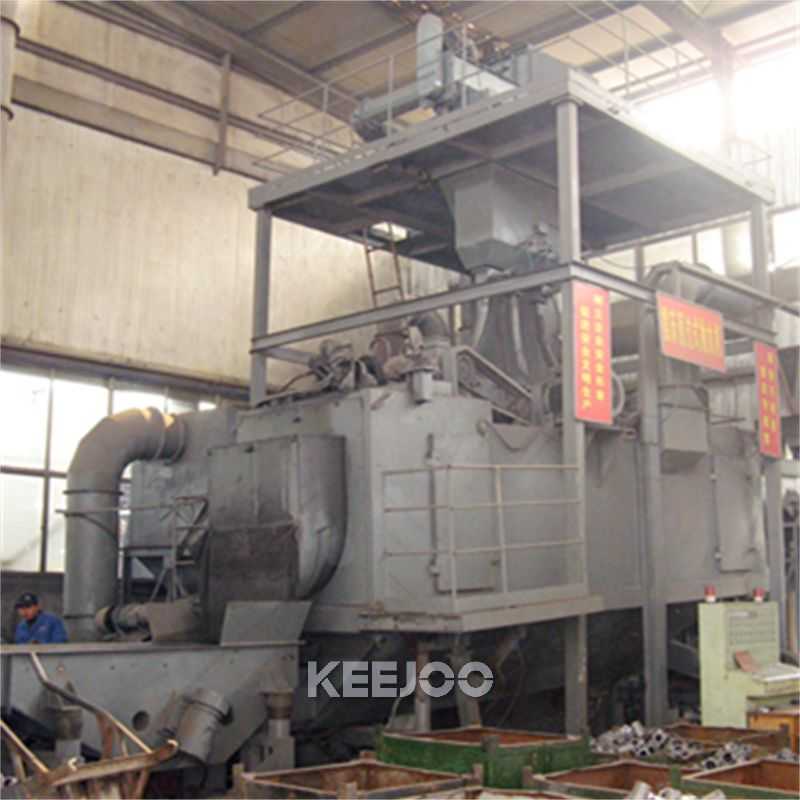
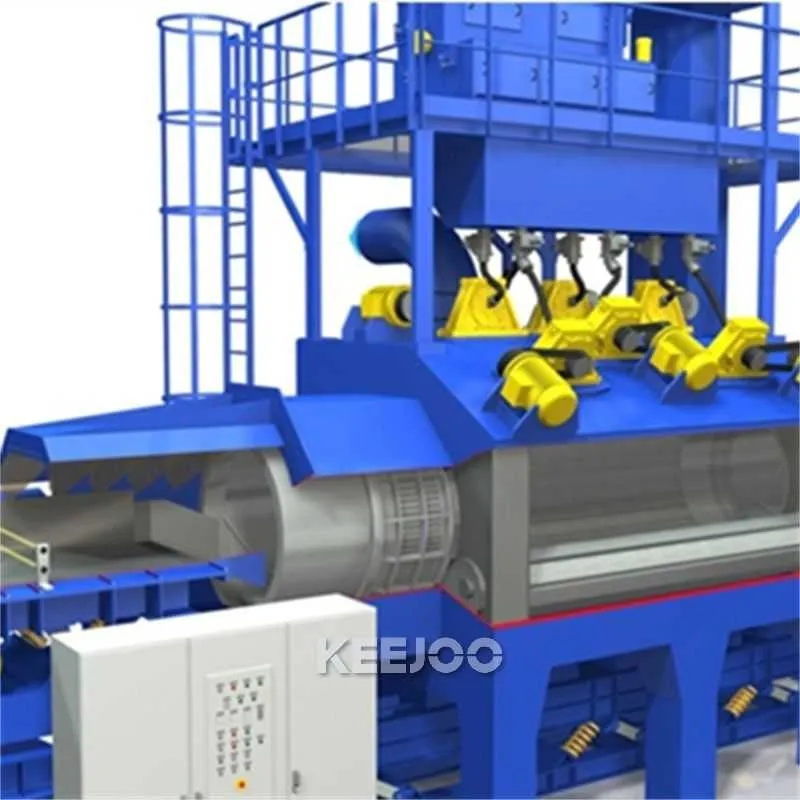
There is a clear link between the shot blasting process and coating delamination or peeling; while proper shot blasting is crucial for enhancing coating adhesion, improper execution can directly cause the coating to peel or flake off.
**Positive Effects of Proper Shot Blasting**
Standardized shot blasting thoroughly removes mill scale, rust, and oil from the workpiece surface while creating a uniform micro-roughness that provides numerous anchor points for the coating. This process can increase coating adhesion by over 30%; it is an essential pretreatment step for heavy-duty anti-corrosion coating systems and effectively prevents the paint film from peeling or flaking.
**Negative Effects of Improper Shot Blasting**
Excessive steel shot velocity or prolonged blasting duration can over-impact the workpiece surface, damaging the surface structure and preventing the subsequent coating from adhering securely.
Poorly shaped steel shot or the presence of sharp impurities can cause irregular surface damage, compromising the foundation required for coating adhesion.
Incorrect use of inorganic salt-based rust inhibitors after shot blasting leaves behind crystalline powder or acidic/alkaline residues, which significantly reduce coating adhesion and lead to large-scale peeling.
Improper suspension methods causing workpieces to collide during the process can result in substandard surface treatment in localized areas, leading to uneven adhesion and a higher risk of the coating peeling off.