Latest news
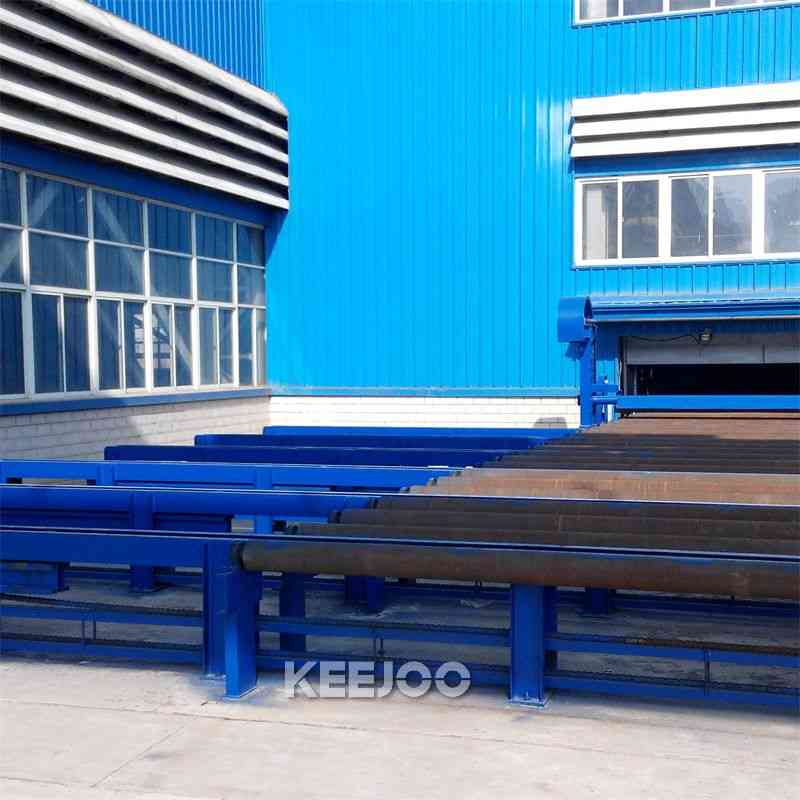
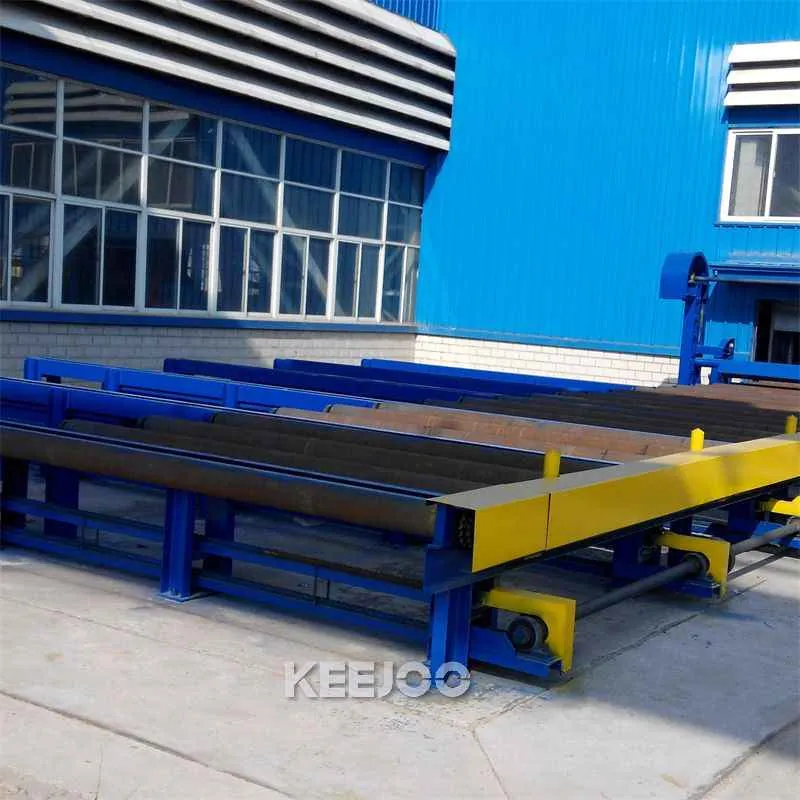
Before shot blasting, it is important to properly handle any rain or snow on the steel plate to ensure effective shot blasting and prevent potential issues. Here are some steps to follow:
1. Remove Excess Moisture: If there is a significant amount of rain or snow on the steel plate, use squeegees, brooms, or other tools to remove as much excess moisture as possible. This step will help minimize water runoff during shot blasting.
2. Allow Drying Time: Give the steel plate sufficient time to dry before the shot blasting process. Depending on the weather conditions and the extent of moisture, this may take several hours or longer. Ensure that the plate is completely dry to avoid any water residue or trapped moisture.
3. Use Air Compressors: Use air compressors or blowers to accelerate the drying process. Direct the airflow across the surface of the steel plate to remove any remaining moisture. This method can help expedite drying, especially in areas that are hard to reach or prone to water accumulation.
4. Apply Heat: In some cases, applying heat can aid in drying the steel plate. Industrial heaters or heat guns can be used to warm the surface, evaporating any residual moisture. However, be cautious not to overheat the steel or create localized hot spots, which may cause distortion or damage.5. Inspect for Moisture: After the drying process, visually inspect the steel plate for any signs of moisture or water droplets. Pay attention to areas such as corners, edges, and surface imperfections where water may pool or collect. If moisture is still present, repeat the drying steps until the plate is completely dry.By properly handling rain or snow on the steel plate before shot blasting, you can ensure a clean and dry surface for the shot blasting process. This will maximize the efficiency of the shot blasting machine and help achieve the desired results.