Classic news
I. Daily Maintenance (10 min before startup + post-shutdown inspection; performed by the operator)
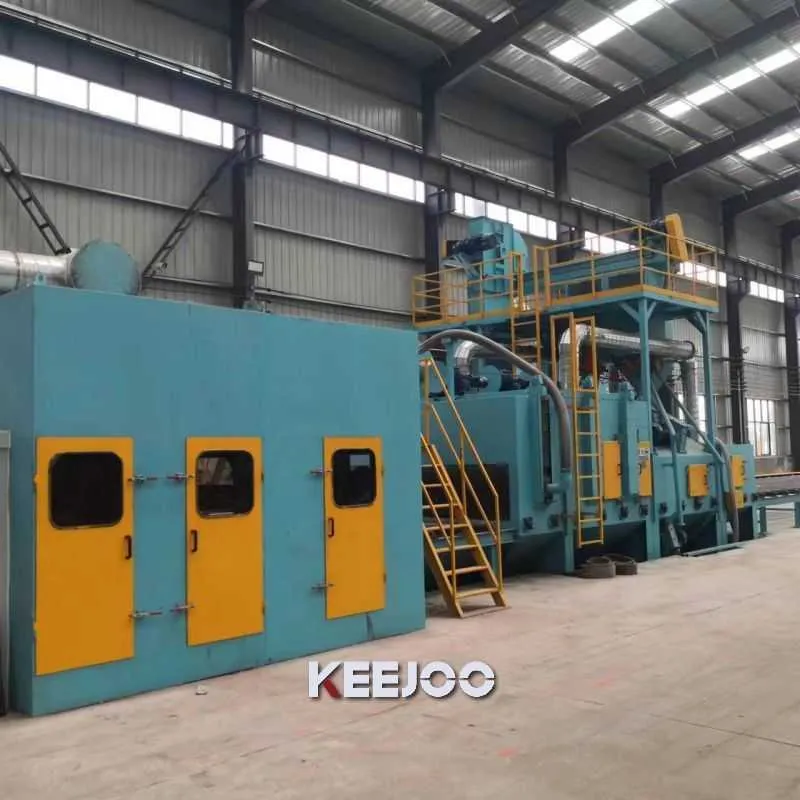
1. Shot Blasting System
Check the shot blasting unit's motor current, temperature, and vibration; ensure the housing has no shot leakage or cracks;
Check the end cover and liners for looseness; stop the machine immediately to tighten them if shot leakage is detected;
Inspect the control cage and blades for damage; stop and inspect immediately if abnormal noise occurs.
2. Shot Circulation System (Elevator + Screw Conveyor + Separator)
Check the bucket elevator for belt tension, misalignment, or detached buckets; adjust promptly if abnormal noise or material spillage occurs;
Clear waste residue from the separator's waste hopper (1–2 times daily) to prevent accumulation and airflow blockage;
Monitor the steel shot level; replenish with the same specification of shot if levels are low (low levels result in poor descaling and "dry hitting" of the blades).
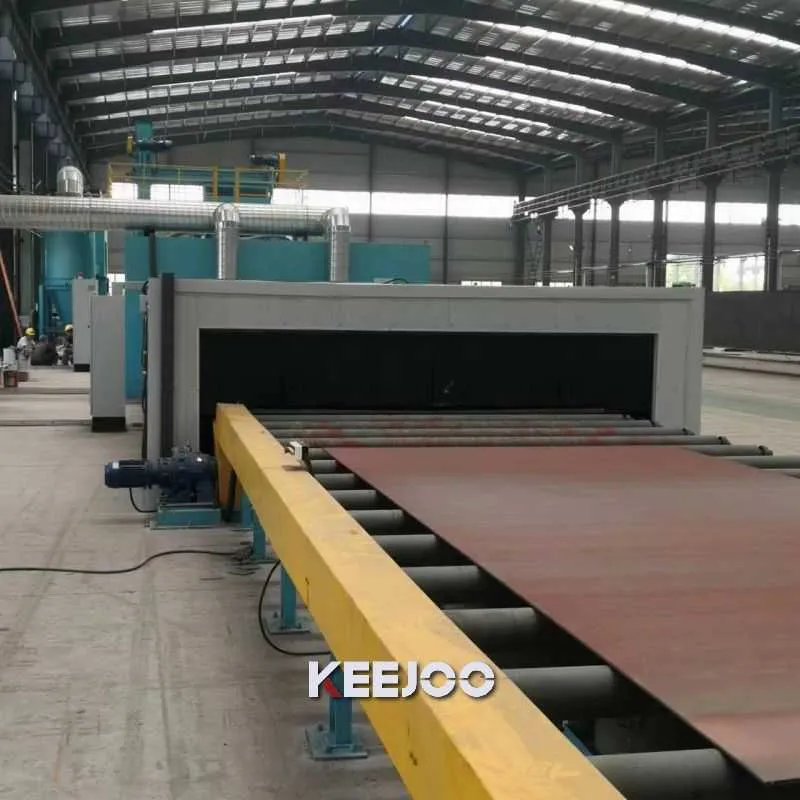
3. Roller Conveyor System
Clean adhered shot, scale, and welding slag/debris from the roller surfaces; ensure rollers rotate smoothly without jamming;
Check oil levels in the variable-frequency motor and gearbox; lubricate the chain drive;
Temporarily repair any damage to the inlet/outlet rubber seals that causes shot leakage.
4. Dust Removal System
Check the pulse dust collector fan for vibration and abnormal noise; clear accumulated dust from the hopper;
Verify the operation of the dust-cleaning solenoid valves and pulse valves.
5. Startup and Test Run
Run the machine without a load for 3–5 minutes; proceed to production only if no abnormalities are found.
Daily Records: Log current, abnormal noises, shot leakage, shot shortages, and dust removal system faults.
II. Weekly Maintenance (Half-day shutdown; collaboration between maintenance staff and operators)
Disassembly and Inspection of Shot Blasting Unit
Open the maintenance access port: inspect the wear on blades, impellers, control cages, distributors, and liners; replace immediately if wear exceeds one-third of the component; tighten all bolts. Screw Conveyor
Clear away any agglomerated steel shot or rust chunks from the screw trough; inspect screw flight wear and bushing clearances; lubricate bearings with grease.
Elevator
Adjust belt tension; tighten hopper bolts; remove any buildup or agglomerations from the inner casing walls.
Separator Airflow Adjustment
Calibrate the separator airflow baffle to ensure effective separation of steel shot, sand, and waste residue, preventing the loss of usable shot along with the waste.
Roller Conveyor System Maintenance
Apply grease to all roller bearing housings; inspect wear on roller protective sleeves and tighten any loose components.
Dust Collection
Inspect filter cartridges/bags for damage or air leaks; clean or replace them if severely clogged; check fan bearing lubrication.
Shot Blasting Chamber
Inspect high-manganese steel liners and protective plates for cracks or perforations; perform spot welding repairs or replacements as needed.
III. Monthly Maintenance (Major Monthly Overhaul)
Fully tighten all anchor bolts and casing assembly bolts across the entire machine.
Reducer Oil: Sample and inspect the reducer lubricant; change the oil immediately if emulsification or excessive impurities are detected.
Seals: replace damaged rubber curtains at the inlet/outlet and internal shot-containment rubber curtains to prevent shot leakage and dust escape.
Electrical Control System: Clean dust from the electrical cabinet and tighten terminal connections; check the sensitivity of variable frequency drives (VFDs) and photoelectric sensors (inlet and outlet sensors).
Steel Shot Screening: Screen the entire shot supply to remove waste shot (agglomerated or broken pieces) and replenish with new shot. IV. Quarterly/Annual Maintenance (1-day scheduled downtime for comprehensive servicing)
Shot blasting chamber liner inspection: Bulk replacement of high-manganese steel liners in areas with extensive wear or perforation;
Roller conveyor system: Replacement of severely worn roller shafts and sleeves; straightening or replacement of deformed rollers; focused inspection of load-bearing supports for heavy-duty models;
Dust collection system overhaul: Dynamic balancing of fan impellers and bearing replacement; bulk replacement of damaged filter cartridges;
Elevator and screw conveyor: Complete replacement of severely worn screw flights and elevator buckets;
Rust removal and touch-up painting: Rust removal and spray painting of external rusted areas to extend casing lifespan;
Motor maintenance: Lubrication of all motor bearings and inspection of aging motors.
V. Key maintenance points for specific systems
1. Shot blasting unit (Component most prone to wear and highest maintenance cost)
Lubrication: Apply high-temperature grease to the main shaft bearings every 7–15 days;
Prohibitions: Avoid running empty (without abrasive), mixing excessive amounts of different-sized abrasives, or allowing large weld spatter/slag to enter the blast zone with the workpiece (as these can easily shatter the blades);
Replacement criteria: If a single blade shows wear exceeding one-third of its profile, the entire set must be replaced to prevent imbalance-induced vibration from damaging the main shaft.
2. Abrasive management (Crucial for reducing consumable costs)
Strictly prohibit oily workpieces from entering the machine; oil contamination causes steel shot to clump, clogging the separator and damaging the blast head;
Maintain a proper mix ratio of new and used abrasive; regularly screen out broken shot, dust, and debris;
Process thin-plate and thick-plate workpieces separately; change abrasive specifications as required.
3. Roller conveyor maintenance
Strictly prohibit loading overweight workpieces; prevent bending the rollers or damaging the gear reducer;
Grind down weld spatter and sharp protrusions on workpieces beforehand to prevent damaging seals or denting roller sleeves.
4. Dust collection system (Essential for environmental compliance)
Limit operation during humid or rainy weather (humidity >85%) to prevent filter cartridges from becoming damp and clogged;
Ensure the pulse cleaning system operates on a timer; strictly prevent dust hoppers from becoming overfilled. VI. Reference for Wear Part Replacement Cycles (Standard Operating Conditions: Q235 Steel Structures)
Part Name Typical Replacement Cycle
Shot Blasting Wheel Blades / Impeller / Control Cage 300–800 hours (High-chrome parts)
High-Manganese Steel Chamber Liners 6–18 months
Inlet/Outlet Rubber Seals 2–6 months
Roller Conveyor Wear Sleeves 6–12 months
Dust Collector Filter Cartridges 6–12 months
Elevator Buckets 8–12 months
VII. Daily Operational Prohibitions (Key to Minimizing Malfunctions)
Do not operate the shot blasting wheels without steel shot; doing so can instantly damage the blades.
Do not feed workpieces with large weld spatter or heavy oil/grease deposits directly into the machine.
If a workpiece jams the roller conveyor, stop the machine and cut the power immediately; do not attempt to clear the jam by reaching in or prying with hard objects.
During maintenance, the power supply must be disconnected and locked out/tagged out to prevent accidental startup and injury.
VIII. Maintenance for Long-Term Shutdown (Off-Season)
Empty all steel shot from the machine to prevent moisture-induced clumping and rusting.
Apply sufficient anti-rust lubricant to all bearings and drive components.
Empty the dust collector hopper and store filter cartridges in a dry place.
Cover the machine to protect against dust; run the machine without a load for 5 minutes once a month.