Classic news
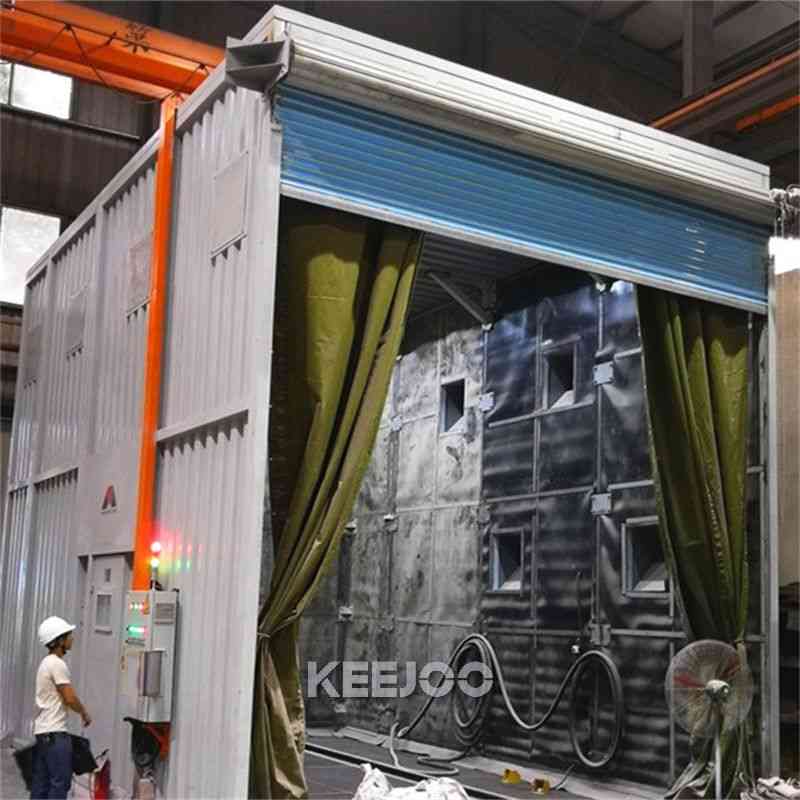
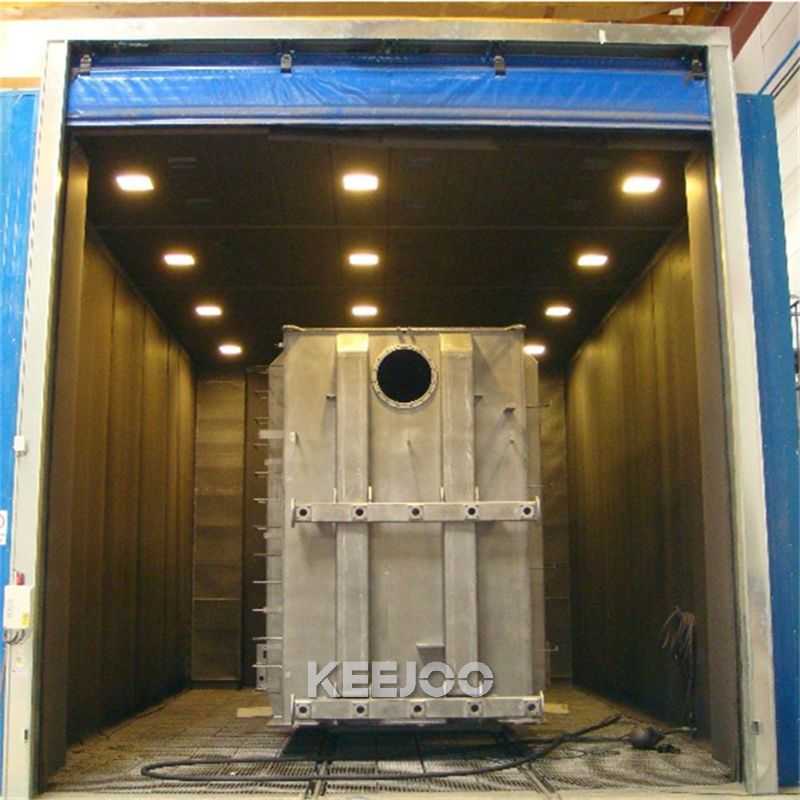
There is no absolute "better" or "worse" choice between shot blasting and sandblasting; the selection depends on the workpiece's material, shape, processing requirements, and production scale. Each process possesses distinct advantages and is suited to different application scenarios.
**Process Principles and Treatment Effects**
**Sandblasting:** Utilizes compressed air to propel abrasive media (such as quartz sand, glass beads, corundum, etc.) onto the workpiece at speeds of approximately 30–50 m/s. This method allows for controllable surface roughness (typically Ra 0.8–6.3 μm) and facilitates finer, more precise surface treatment.
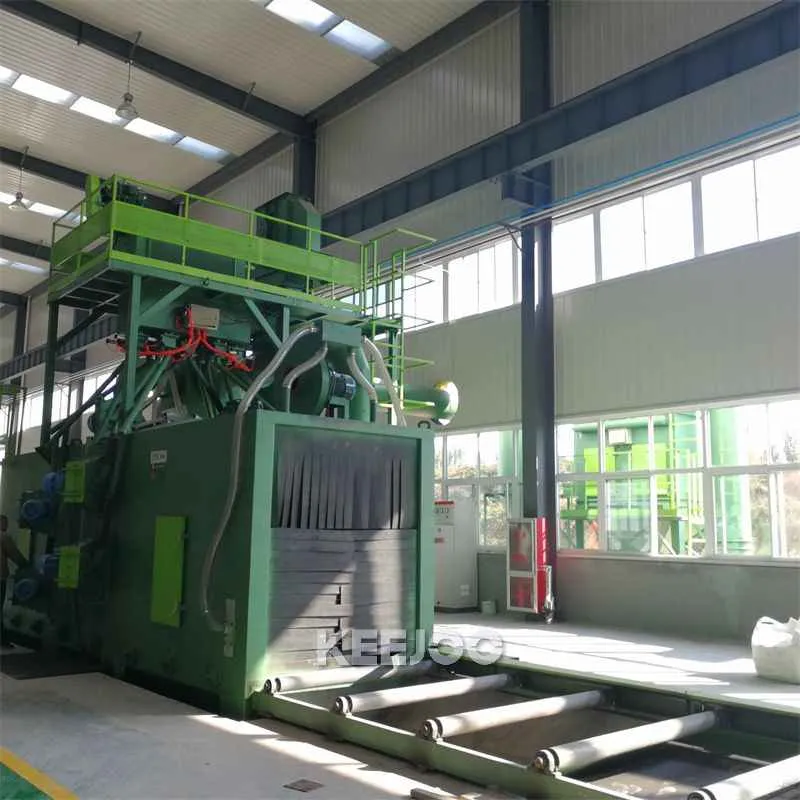
**Shot Blasting:** Employs a centrifugal impeller to hurl steel shot at high velocities—reaching speeds of 60–110 m/s. The resulting high-impact force generates a compressive stress layer within the metal's surface, significantly enhancing both fatigue strength and hardness.
**Comparison of Application Scenarios**
**Prioritize Sandblasting for:**
* Workpieces with complex shapes, thin walls, or high-precision requirements (e.g., molds, weld seams, instruments, and gauges).
* Processing a diverse range of materials (including metal, glass, stone, and composite materials).
* Surface pretreatment prior to painting or coating, as well as achieving matte decorative finishes.
**Prioritize Shot Blasting for:**
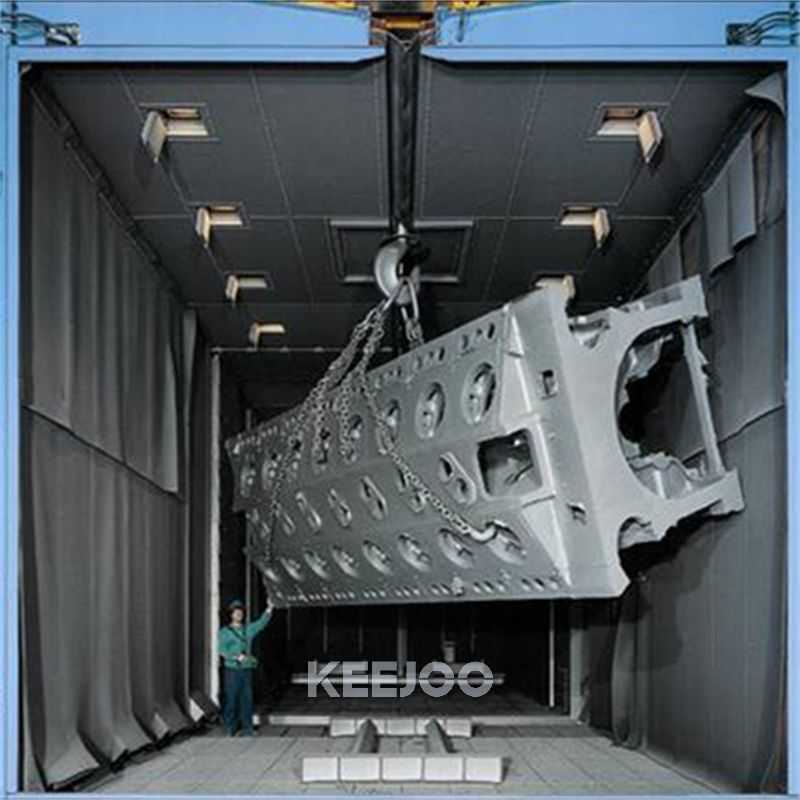
* Large-batch production and heavy-duty workpieces (e.g., castings, forgings, steel structures, and automotive components).
* Critical load-bearing components requiring surface strengthening (e.g., springs, crankshafts, and gears).
* Scenarios involving highly efficient, automated, and continuous production lines.
**Efficiency and Cost**
**Sandblasting:** Generally exhibits lower efficiency and is often performed via manual or semi-automated operations. While the cost of abrasive media is low, the process generates a significant amount of dust, necessitating the use of auxiliary dust collection systems.
**Shot Blasting:** Characterized by high efficiency and a high degree of automation. The steel shot media can be recycled and reused (with a recovery rate of ≥90%). Although the initial investment in equipment is higher, the process offers superior long-term cost-effectiveness in terms of operational costs.